

Why you must prepare for a crisis, how to do it and why drills matter more than the document.
Interview summary
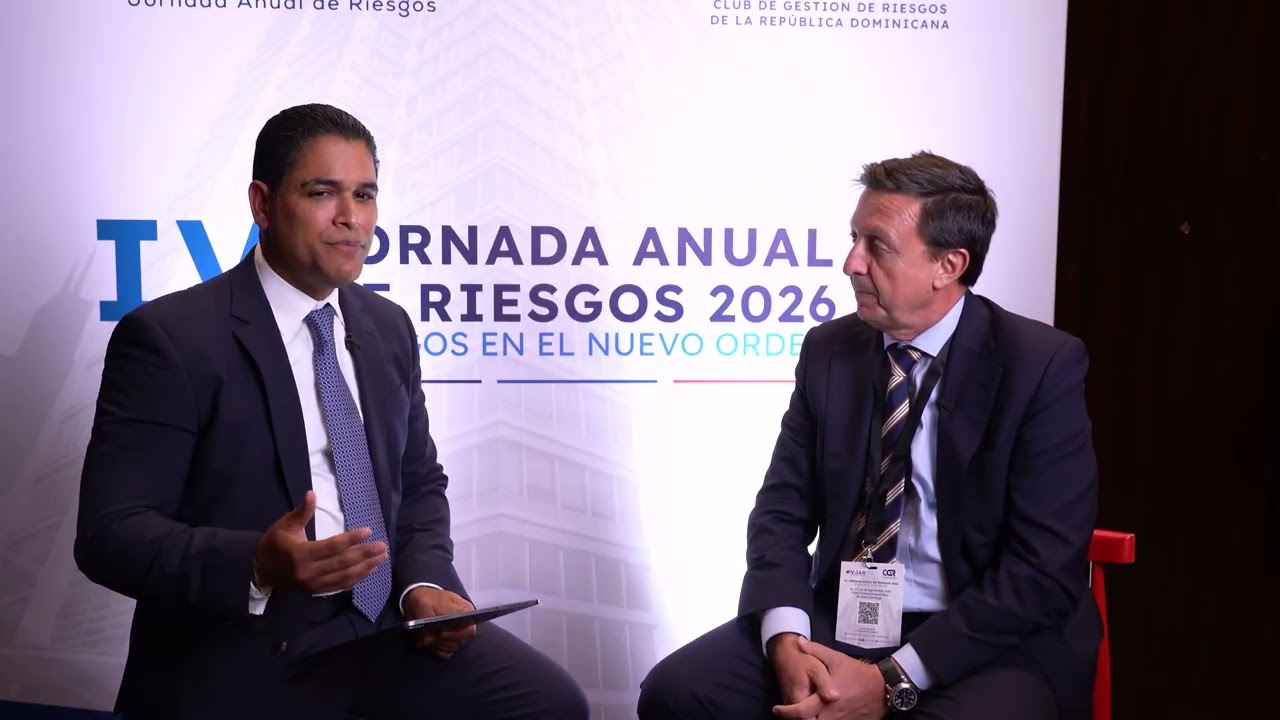
Jorge Luis García reminds us that managing risk aims to reduce the probability of an adverse event, not to eliminate it: sooner or later bad things will happen, which is why you must be ready to act. The difference between reacting with preparation and improvising can be the difference between continuing to operate and losing market share and clients, and also avoiding reputational damage.
He describes preparation in steps: identify the threats specific to the institution, estimate their probability and impact, prioritize them, plan the response with limited resources and test it with drills, from very realistic exercises to conversations such as "this is happening, what would you do?". The plan is then updated with what was learned. The contingency plan must be agile and easy to follow, not a document of thousands of pages: who is responsible, how decisions are escalated, what response tools exist and who communicates, with what strategy. He concludes that practice is essential: whoever has run drills knows immediately whom to talk to and what to say, even without being able to consult the plan.
Topics covered
- Why prepare: minimizing a risk is not eliminating it
- Identify, quantify and prioritize your own threats
- Plan the response with limited resources
- Drills to test and improve the plan
- Agile contingency plan: responsibilities, escalation and communication
- Update the plan with lessons learned
About Jorge Luis García
At the Banco de México since 2000, he has taken part in projects on financial regulation, risk assessment, crisis management and safeguarding financial stability. Since 2010 he has represented the Bank in working groups of the Basel Committee on Banking Supervision, the Financial Stability Board and the Committee on the Global Financial System. PhD in economics from the University of Rochester.
More Ries-GO interviews
Operational, third-party and cyber riskArtificial intelligence and analytics
Third-party risk in the era of the cloud and artificial intelligence
Enrique Gómez LoberaGlobal Head of Third-Party Risk, Grupo BBVA
Credit risk
Credit risk in reserves: anticipating issuer deterioration
Andrés Granados RuizDeputy Director of Financial Risk, Fondo Latinoamericano de Reservas (FLAR)

Looking for an event on a specific topic?
Tell us which topics you would like to take part in at these events by writing to our email info@gestionderiesgo.org
Menu
Sobre Nosotros
CGR Educa
Policies

© COPYRIGHT 2022 ALL RIGHTS RESERVED GESTION DE RIESGO RD SRL.
Connect with our networks