

Report on Vulnerabilities in Private Credit
The FSB estimates private credit at US$1.5 to 2 trillion and analyzes its links with banks, borrower quality, valuations and the data gaps in monitoring it.

The FSB estimates private credit at US$1.5 to 2 trillion and analyzes its links with banks, borrower quality, valuations and the data gaps in monitoring it.
COSO document, prepared by Crowe with a global survey, on how to apply its enterprise risk management (ERM) framework so that it influences decisions: 98 % believe ERM should play a more strategic role and only 7 % have it integrated into those decisions.
A survey of 628 organizations in 151 jurisdictions: 81% of financial firms adopt AI, the industry is ahead of regulators and fintechs ahead of incumbents; value is hard to measure and the main risks are data privacy and model hallucinations.
The FSI reviews the cyber stress tests run by the Bank of England, the Danish financial authority and ECB Banking Supervision, and distinguishes two approaches: firm-focused or system-focused.
The IMF concludes that global financial stability risks are elevated and examines the channels through which the war in the Middle East could be amplified, with a chapter on capital flows to emerging markets.
The EBA compares how 16 banking groups from 10 EU countries test the execution of their recovery plans through dry runs: the most mature use them as management tools, and those done only to comply tend to be less useful.
The FSI reviews how authorities address data risks in AI (privacy, quality, security and data governance) and proposes that they issue tailored guidance, with more cooperation with data protection authorities.
Using BIS international banking statistics from 1977 to 2024, the study finds that adverse geopolitical events reduce credit between blocs by 10 to 20% more than within them, while positive events have no comparable effect.
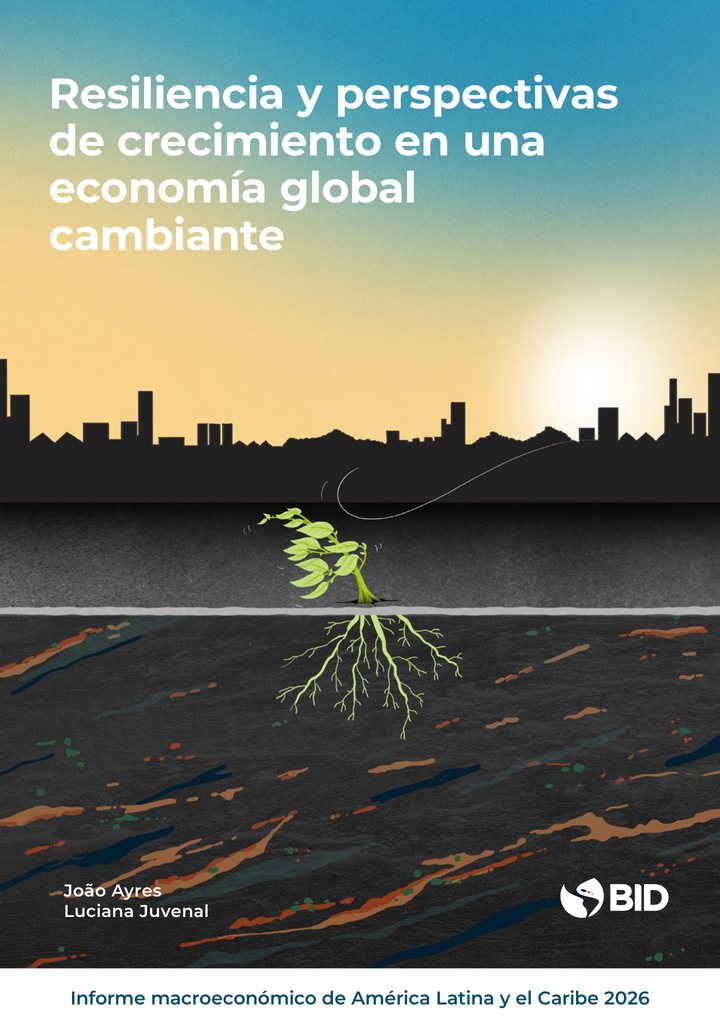
The IDB expects Latin America and the Caribbean to grow 2.2% in 2025 and 2.1% in 2026: the region keeps its resilience, but weak productivity and investment, macro-financial risks and high interest costs limit fiscal and external space.
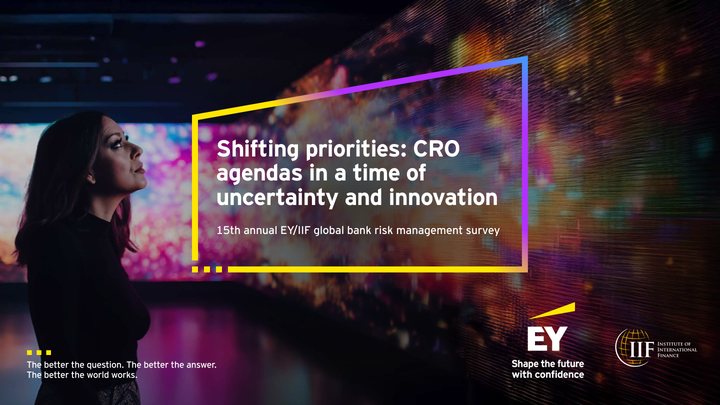
Survey of chief risk officers at 101 banks in 31 countries: cybersecurity (86 %), credit risk (62 %) and digital fraud (59 %) lead the agenda, with a specific analysis for Latin America.
Connect with our networks